Hosting & Real Estate Insights
Airbnb in Kenya: How Much Can You Make From a Short-Term Rental?
Thinking of turning your Kenyan property into an Airbnb? Discover realistic monthly earnings, hidden costs, and smart strategies to maximize profit — from Nairobi apartments to coastal villas.
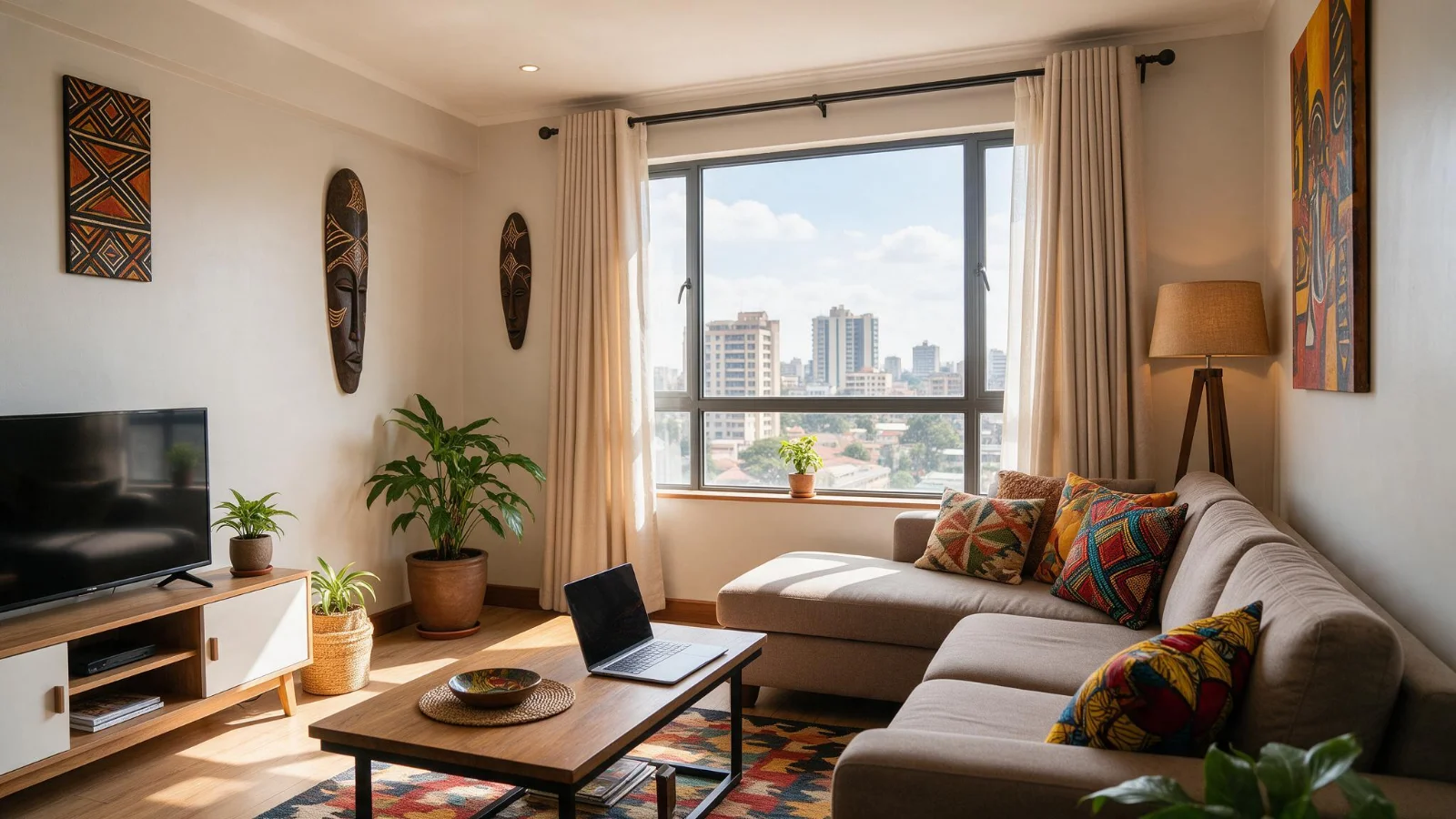
Airbnb in Kenya can be a goldmine. But it’s not magic. It’s math, hustle, and smart choices. In Nairobi alone, a well-run one-bedroom apartment can pull in KES 60,000 to KES 110,000 every month — sometimes more. That’s 60–120% higher than what you’d get from a long-term tenant.
The numbers vary wildly. Location. Property type. How you manage it. All of it matters. But if you’re thinking about dipping your toes into Kenya’s short-term rental scene, here’s what you need to know — straight, simple, and real.
The Big Picture: What’s Possible?
Let’s cut through the noise.
In Nairobi, the average Airbnb host made around $7,000 (roughly KES 910,000) over a 12-month period ending early 2026. That’s median — meaning half made more, half made less. Top performers in hotspots like Westlands, Kilimani, or Kileleshwa? They’re clearing KES 700,000 to over KES 1,000,000 net per year from just a one-bedroom unit.
On the coast — think Diani, Nyali, or Bamburi — things get even juicier. Gross yields can hit 10–18%, with monthly revenues ranging from KES 100,000 to KES 220,000 during peak seasons.
But don’t let those numbers blind you. This isn’t passive income. Not unless you’ve got a killer property manager and dynamic pricing on autopilot.
Break It Down: Real Numbers for Real People
Let’s get practical. Imagine you’ve got a cozy one-bedroom apartment in Kilimani. You list it at KES 4,500 per night. You book 21 nights a month — that’s 70% occupancy, which is solid.
Gross monthly income:
KES 4,500 × 21 = KES 94,500
Now subtract costs:
- Cleaning: KES 10,000
- Utilities (water, electricity, internet): KES 8,000
- Airbnb fees (3%): KES 2,835
- Consumables + maintenance buffer: KES 5,000
Total monthly costs: ~KES 25,835
Net profit: KES 68,665
That’s after everything. And yes — it’s still way better than renting long-term for KES 32,000.
If you scale up? A two-bedroom in a good area can net you KES 60,000–90,000/month. A three-bedroom house? KES 90,000–120,000+.
Where You List Matters More Than You Think
Location isn’t just important — it’s everything.
In Westlands, gross monthly revenue for a one-bedroom can hit KES 110,000–190,000. In Lavington? KES 80,000–140,000. Coastal areas? Even higher — especially December through March.
Why? Because tourists, business travelers, and digital nomads flock to these spots. They pay premium rates for convenience, safety, and style.
But here’s the twist: high demand also means high competition. Nairobi’s Airbnb listings doubled between 2020 and 2023 — now hovering near 11,000 active units. So standing out? That’s on you.
Costs You Can’t Ignore
Short-term rentals look sexy until you forget the hidden costs.
Platform fees eat 3–15% depending on how you list. Cleaning? That’s per guest. Utilities spike when guests crank the AC or leave lights on. Maintenance? Things break faster with rotating tenants.
And then there’s taxes.
If you’re a Kenyan tax resident earning over KES 15 million annually from Airbnb, you’re looking at standard income tax — progressive rates or 30% corporate. But below that? You can deduct management fees, repairs, insurance, even mortgage interest.
Don’t skip this part. Get an accountant. Or at least track every shilling.
Occupancy: The Silent Profit Killer
You can charge KES 10,000 a night — but if you’re only booked 10 nights a month, you’re losing money.
Median occupancy in Nairobi hovers around 44%. That’s less than half the month. To beat that, you need:
- Professional photos (no phone pics)
- Dynamic pricing (raise rates during conferences, holidays, festivals)
- Superhost status (builds trust, boosts visibility)
- Fast responses (guests book hosts who reply in minutes)
One pro tip: target stays of 14–60 days. These are the sweet spot — lower turnover, higher efficiency, steadier cash flow.
Long-Term vs Short-Term: Which Wins?
Let’s settle this once and for all.
Long-term rental: predictable. One tenant. One payment. Minimal hassle. But capped income.
Short-term rental: volatile. Multiple guests. Constant cleaning. But potentially double or triple the revenue.
Data shows short-term rentals in prime Nairobi neighborhoods yield 50–60% more ROI than long-term leases. Some hosts report 30–40% net returns after all costs — versus 5–8% for traditional rentals.
But — and this is huge — short-term requires work. If you’re not hands-on, hire a property manager. Expect to pay 15–25% of gross revenue. Still worth it? Often, yes.
Legal Stuff: Don’t Get Caught Off Guard
Kenya’s catching up on regulating Airbnb.
Some counties require business permits. Others want tourism licenses. Nairobi County, for instance, has started enforcing rules around short-stay accommodations — especially in residential zones.
Also: check your lease agreement. If you’re renting the property yourself, your landlord might ban subletting. Violate that? You could lose your deposit — or worse.
Stay compliant. Talk to a lawyer. Keep records. Sleep better.
Who’s Winning Right Now?
The winners aren’t just lucky. They’re strategic.
They invest in decor that photographs well. They stock kitchens with basics (coffee, sugar, oil). They leave welcome notes and local guides. They automate check-ins and use smart locks.
Top hosts treat Airbnb like a business — because it is.
One host in Kileleshwa turned a KES 32,000/month long-term unit into a KES 110,000/month short-term machine. How? Professional photos, dynamic pricing, and a part-time cleaner on speed dial.
Another in Diani rents his beachfront condo for KES 15,000/night during Christmas week — booked solid for 14 days straight. That’s KES 210,000 in two weeks.
Final Word: Is It Worth It?
Yes — if you’re ready to work.
Airbnb in Kenya isn’t a side hustle you set and forget. It’s a real business. With real risks. Real rewards.
Start small. Test one property. Learn the ropes. Scale smart.
And remember: the goal isn’t just to make more money. It’s to make better money — consistently, sustainably, without burning out.
So ask yourself: Are you built for this?
If yes — welcome to the game. The market’s hot. The timing’s right. And the potential? Huge.
Just don’t forget: behind every shiny revenue number is a host who showed up, stayed sharp, and refused to quit.
That could be you.
- #coastal vacation rentals
- #short-term rental income
- #airbnb kenya
- #nairobi airbnb earnings
- #property investment kenya